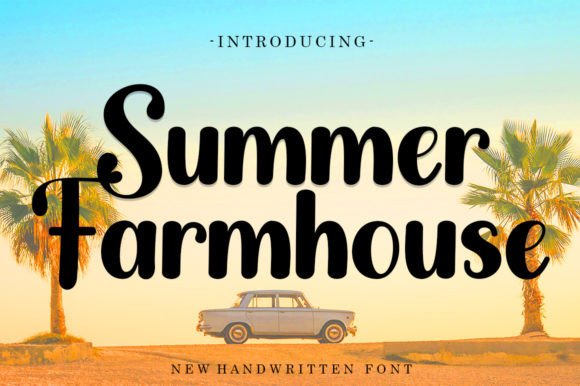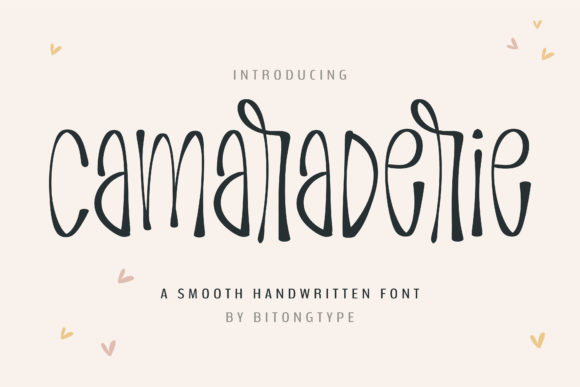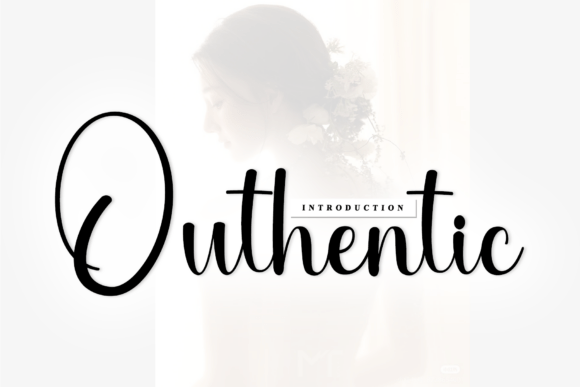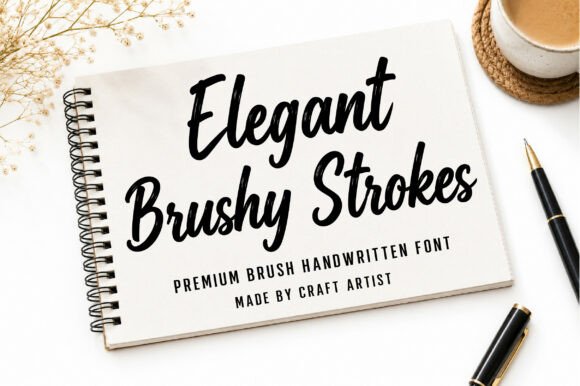
The Smooth: A Handwritten Font for Brands That Want to Feel Authentic
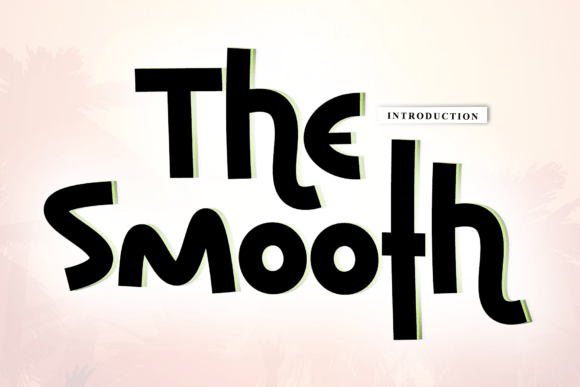
There’s a certain warmth to a handwritten note that a typed message just can’t replicate. It feels personal, crafted, and intentional. In a digital landscape saturated with crisp, geometric sans-serifs, a font like The Smooth offers a refreshing alternative—a way to inject genuine human character into your projects. This lovely and timeless handwritten font isn’t just about looking pretty; it’s a strategic design asset for anyone looking to create eye-catching logos, branding, and quotes that resonate on a deeper level. Every letter has a unique and beautiful touch, which will make your design come alive, transforming standard text into a piece of visual storytelling.
More Than Just Pretty Letters: The Strategic Value of a Handwritten Typeface
Choosing a font is a branding decision. A premium font like The Smooth communicates specific values before a single word is read. Its flowing, organic strokes suggest creativity, approachability, and authenticity. For a small business owner, this is gold. Imagine a local bakery, a boutique consulting firm, or a handmade jewelry line. Using this script font in their logo and marketing materials instantly sets a tone of care and personality that a standard corporate typeface would miss. It’s a modern typography choice that bridges the gap between professionalism and human connection.
This isn’t about abandoning structure for whimsy. The best creative fonts are designed with intention. The Smooth’s legibility, even in its flowing style, makes it a versatile player in your design toolkit. It works beautifully as a display font for headlines and logos, where its personality can shine, but it’s crafted to remain clear enough for shorter blocks of text in social media graphics or on product packaging. The key is understanding its role: it’s the accent, the personality, the voice of your brand made visual.
Practical Applications: Where The Smooth Truly Comes Alive
Seeing a font in a specimen sheet is one thing. Understanding how it functions in real-world projects is another. Let’s break down where a handwritten font like this becomes invaluable.
For Brand Identity & Logo Design: A logo sets the stage. The Smooth can serve as the primary wordmark for brands that want a friendly, artisanal, or creative vibe. Alternatively, it can be used as a secondary element, perhaps for a tagline or a monogram, paired with a clean sans serif font. This font pairing creates a beautiful contrast—modern professionalism grounded in personal touch.
In Packaging & Merchandise: On a product label, a coffee bag, or a t-shirt, handwritten typography adds a layer of perceived value and craftsmanship. It suggests something made with care, not mass-produced. The font’s unique letterforms can make a product stand out on a crowded shelf or in an online store, telling a story before the customer even reads the description.
Across Digital Platforms: Your website and social media are your digital storefronts. Using The Smooth for key website headers, blog post titles, or quote graphics on Instagram and Pinterest creates visual consistency. It makes your content feel curated and recognizable. For digital products like e-books, planners, or course materials, it adds a friendly, guide-like quality that can enhance user engagement.
For Print & Marketing Collateral: Think beyond the screen. This typeface elevates printed materials like business cards, thank-you notes, event posters, and wedding invitations. In editorial design, it can be used for pull quotes or section headers in magazines and lookbooks, adding a dynamic, artistic flair to the layout.
Making It Work: Practical Tips for Implementation
Adopting a new font is exciting, but a strategic approach ensures it enhances rather than hinders your design. Here’s how to integrate The Smooth effectively.
- Context is King: Always consider your project’s goal. A law firm’s website might not be the best fit, but a yoga studio’s? Perfect. Match the font’s personality to your brand’s core message and audience.
- Master the Pairing: The Smooth is a standout script font. To maintain readability and hierarchy, pair it with a simple, neutral companion. A classic sans serif (like Montserrat or Open Sans) or a clean serif (like Lora or Merriweather) for body text creates a balanced, professional presentation. Avoid pairing it with other decorative fonts.
- Test for Readability: Always test your chosen font at various sizes. While beautiful, some handwritten fonts can become challenging to read in long paragraphs or at very small sizes. Use The Smooth for headlines, logos, and short phrases where its charm is an asset, not a barrier.
- Explore the Styles: Many premium fonts include multiple weights or styles. Check if The Smooth comes with alternatives like a bold version, a light version, or stylistic alternates. These variations give you more flexibility to create emphasis and nuance within your designs.
- Understand the License: If you’re using this for commercial projects—a client’s logo, products for sale, or marketing materials—ensure you have the correct commercial font license. This protects you legally and supports the type designers who create these valuable assets.
The Final Word: Design with Intention
Typography is a powerful tool for visual communication. A font like The Smooth offers more than aesthetic appeal; it provides a means to build brand recognition, foster audience engagement, and present your work with a distinct, professional character. It’s a design asset that, when used thoughtfully, can transform the ordinary into the memorable. Whether you’re a designer crafting a new brand identity, an entrepreneur launching a product, or a content creator looking to elevate your visuals, consider how the right typeface can tell your story. The best designs aren’t just seen; they’re felt.