The Modern Calligraphy Font for Every Creative Project
Finding a typeface that feels both timeless and contemporary can be a real challenge for designers and creators. You want something with character and elegance, but it also needs to be versatile enough for a wide range of applications. This is where a well-crafted handwritten font like Confident truly shines. Inspired by the fluid grace of classic calligraphy, it strikes a unique balance between artistic flair and modern sensibility. Its balanced letterforms and varied style make it more than just a script font; it’s a tool designed to bring a personal, polished touch to your work, whether you’re building a brand from scratch or adding a final flourish to a marketing campaign.
A Closer Look at its Visual Character
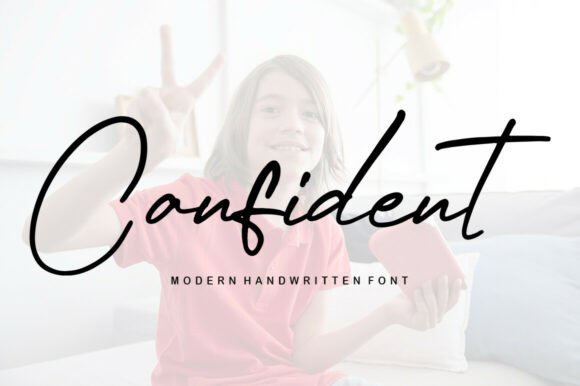
At its core, Confident is a stylish handwritten font with a contemporary atmosphere. It avoids the overly ornate or difficult-to-read qualities of some traditional calligraphy, opting instead for a cleaner, more approachable aesthetic. The letters flow into one another with a natural rhythm, yet each character maintains impeccable form, ensuring legibility even at smaller sizes. This careful design is what makes it so effective. It feels personal and human, as if written with a skilled hand, but it’s consistent and reliable enough for professional use. The font’s personality is one of sophistication and approachability, making it an excellent choice for projects that need to feel both high-quality and relatable.
Where This Handwritten Font Truly Excels
The practical applications for a versatile display font like this are nearly endless. Its strength lies in its ability to adapt to different contexts while maintaining its core charm. Think about how a personal touch can transform a project:
- Branding & Logo Design: For entrepreneurs and small businesses, especially in fields like boutique retail, wedding planning, wellness, or artisan food, a script font can form the heart of a brand identity. Confident works beautifully for logos, taglines, and brand names that aim for a luxurious, personal, or creative feel. It helps build immediate brand recognition by setting a distinct visual tone.
- Packaging & Merchandise: On product labels, boxes, or tote bags, this typeface can elevate the perceived value of an item. It suggests care and craftsmanship, making it ideal for cosmetics, specialty foods, handmade goods, and boutique apparel.
- Digital Presence: In the crowded space of social media, standing out is key. Using this font for Instagram quotes, Pinterest graphics, or YouTube thumbnails can stop the scroll. It’s also effective for website headers, hero text, and blog titles, especially for creators and influencers wanting to establish a strong personal brand. For web design, it pairs exceptionally well with a clean sans-serif font for body text, creating a dynamic and readable hierarchy.
- Print & Editorial: From wedding invitations and event posters to magazine headlines and book covers, this font adds a layer of elegance and emotion. It’s perfect for any print material where you want to convey a sense of occasion, personality, or artistry.
Integrating Confident into Your Design Workflow
Simply having a beautiful typeface isn’t enough; using it effectively is what separates good design from great design. Here are some practical considerations for incorporating a font like Confident into your projects.
Font Pairing is Everything. A script or handwritten font is rarely used for large blocks of body text. Its real power is unleashed when paired with a simpler, highly readable companion. For a modern, clean look, try combining it with a geometric sans-serif like Montserrat or Lato. For a more classic, editorial feel, pair it with a traditional serif font like Garamond or Georgia. The contrast creates visual interest and guides the reader’s eye.
Prioritize Readability. Always test your typography in context. A headline that looks stunning on your design software might be difficult to read on a mobile screen or from a distance on a poster. Check letter spacing, especially with connected script fonts, to ensure letters don’t blur together. Confident’s design focuses on legibility, but it’s still your responsibility to choose appropriate sizes and color contrasts.
Explore All the Glyphs. A significant advantage of a premium font is the inclusion of alternate characters, swashes, and ligatures. The Confident font is PUA encoded, which means all these extras are easily accessible, even in basic design software. Don’t settle for the default letterforms. Experimenting with alternate versions of letters like ‘b’, ‘h’, ‘k’, or ‘t’ can add unique flair and prevent your typography from looking generic. These extras are what allow you to tailor the font perfectly to your specific logo or headline.
Understand the Licensing. Before using any commercial font, especially for client work or products for sale, it’s crucial to understand the license. A quality font will come with a clear commercial license that outlines permitted uses. This ensures you’re legally covered and supports the type designers who create these valuable assets. Always review the license details provided with your font purchase.
Making a Strategic Choice for Your Project
Choosing a typeface is a strategic decision that impacts how your message is received. A font like Confident is a powerful tool in your design toolkit, but it’s not a one-size-fits-all solution. Its best application is in projects where you want to inject personality, elegance, and a human touch. It’s less suited for technical manuals or dense academic papers, where a neutral serif or sans-serif would be more appropriate.
Think about the emotion you want to evoke. Are you aiming for playful and whimsical, or sophisticated and luxurious? The contemporary calligraphy style of this font leans towards sophistication with a friendly edge. It’s for the small business owner who wants their packaging to feel special, the content creator looking to brand their visual identity, or the designer crafting an invitation that feels like a keepsake. By aligning the font’s personality with your project’s goals, you move beyond mere decoration and start using typography as a fundamental part of your visual communication strategy. The result is more cohesive, professional, and engaging work that truly connects with your audience.