Apricot: The Handwritten Font for Modern Branding
There's a certain magic in a font that feels both personal and polished. It captures the warmth of a handwritten note while maintaining the clarity needed for professional design. Apricot is a typeface that strikes this balance beautifully. Inspired by timeless calligraphy but built for contemporary projects, it offers a versatile tool for anyone looking to add a touch of elegance and authenticity to their work. Whether you're crafting a brand identity, designing social media content, or creating special event invitations, this font provides a foundation that is both stylish and highly functional.
A Font with Character and Clarity
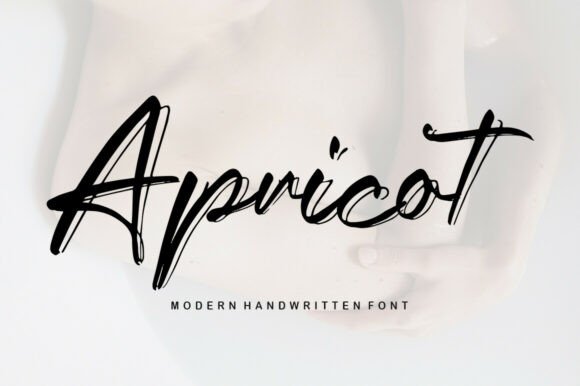
At its core, Apricot is a stylish handwritten font with a contemporary atmosphere. Its impeccable form ensures that each letter connects fluidly, creating a sense of movement and grace. Unlike some script fonts that sacrifice readability for flair, Apricot maintains a clean and balanced appearance. The varied stroke weights mimic the natural pressure of a pen, giving your text an organic, human touch. This makes it an excellent choice for projects where you want to convey sincerity, creativity, and attention to detail without overwhelming your audience.
The practical benefits extend beyond its visual appeal. As a PUA-encoded font, accessing the full range of glyphs and swashes is straightforward. This means you can easily incorporate decorative flourishes and alternate characters to customize your designs further. For a small business owner or a content creator, this accessibility is a huge advantage—it allows for sophisticated typographic treatments without requiring advanced software skills or extra licensing fees for special characters.
Where Apricot Truly Shines: Practical Applications
Thinking about where to use a font like Apricot is key to unlocking its potential. Its blend of elegance and approachability makes it suitable for a wide array of creative and commercial projects. Let’s explore some specific scenarios where it can make a significant impact.
- Branding and Logo Design: A logo sets the first impression. Apricot can lend a boutique, artisanal, or personal feel to a brand mark. It’s perfect for businesses in the lifestyle, beauty, wedding, or craft industries. Pair it with a clean sans serif font for body text to create a harmonious font pairing that is both distinctive and easy to read.
- Packaging and Merchandise: On product labels, gift tags, or merchandise, this handwritten font adds a layer of perceived value and care. It suggests a product made with intention, which can be a powerful differentiator on a crowded shelf or in an online store.
- Digital Presence: For web design, use Apricot sparingly for headings, pull quotes, or calls-to-action to draw the eye. In social media graphics, it can make announcements, quotes, or promotional posts feel more personal and engaging, helping to stop the scroll. It’s also a fantastic choice for blog headers or featured image text.
- Print and Editorial: In editorial design, such as magazine features or book covers, Apricot can highlight key sections. For print materials like business cards, letterheads, or posters, it adds a signature touch. Invitations for weddings, parties, or corporate events are a natural fit, setting a sophisticated and welcoming tone from the start.
- Digital Products and Marketing: If you sell digital products like planners, worksheets, or e-books, incorporating Apricot can enhance their aesthetic and perceived quality. Similarly, in marketing assets like email headers or PDF guides, it helps maintain visual consistency and strengthens brand recognition.
Making It Work: Tips for Effective Implementation
Choosing a beautiful font is only the first step. Using it effectively is what separates good design from great design. Here are some practical considerations to keep in mind when working with Apricot or any premium font.
First, always consider readability. While Apricot is designed for clarity, very small sizes or low-contrast color combinations can hinder legibility, especially on screens. Test your designs at the intended size and on various devices. For body text, it's almost always best to pair a script font like this with a highly readable serif or sans serif typeface for paragraphs.
Second, think about your project's goals. Are you aiming for playful, luxurious, or minimalist? Apricot leans towards elegant and personal. If your brand voice is edgy or ultra-modern, you might explore other display font options. The key is to ensure the typeface personality aligns with your message.
Third, don't overlook the details. Explore the font's full character set. The included swashes and alternate glyphs are there to be used. A well-placed flourish on a capital letter or at the end of a word can elevate a simple design into something special. Take the time to experiment in your design software.
Finally, always be mindful of licensing. Since Apricot is a commercial font, ensure your license covers your intended use—whether for client work, merchandise, or digital sales. Respecting font licensing is a fundamental part of professional practice and supports the designers who create these valuable design assets.
Building a Cohesive Visual Identity
The true power of a thoughtfully chosen font like Apricot lies in its ability to contribute to a cohesive brand identity. When used consistently across all touchpoints—from your website to your packaging to your social media—it creates a recognizable and professional visual language. This consistency builds trust with your audience and makes your brand more memorable.
Think of typography as the voice of your visual communication. A handwritten font like Apricot speaks with warmth and personality. It can soften corporate messages, add whimsy to creative projects, and infuse everyday designs with a sense of artistry. By integrating it thoughtfully into your modern typography toolkit, you equip yourself to create designs that are not only beautiful but also effective in connecting with your intended audience.