Doodline: Capturing the Joyful Energy of Childhood Scribbles
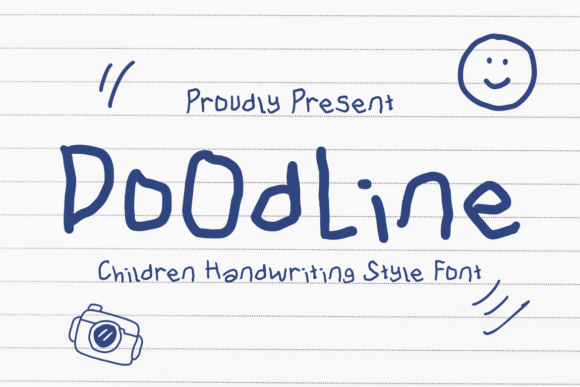
There is a specific kind of energy found in a child’s drawing—a bold, unapologetic confidence in every line and curve. It’s the same feeling you get when you open a fresh box of crayons or see a colorful doodle on a restaurant napkin. For designers, capturing that authentic, whimsical spirit can be a challenge. Standard fonts often feel too sterile or rigid, while some handwritten styles can look messy or illegible. Enter Doodline, a display typeface that bridges the gap between professional polish and the delightful chaos of childhood creativity. It is designed to mimic the joyful scribbles of a child’s artwork, offering a unique blend of warmth and playfulness that can transform a standard design into something memorable.
When we talk about typography in branding, we often focus on legibility and structure. However, for projects targeting families, children, or creative industries, the emotional connection is just as important as the message. Doodline is not just a set of characters; it is a design asset that brings personality to the forefront. Its hand-drawn aesthetic features bold lines and quirky imperfections that feel organic and human. Whether you are a small business owner designing packaging for a new toy or a content creator looking for engaging social media graphics, understanding how to leverage a font like this can significantly impact your visual communication strategy.
The Anatomy of Whimsy: Visual Characteristics
What makes Doodline stand out in a sea of digital typography? It comes down to the details. Unlike standard sans serif fonts that rely on clean geometry, Doodline embraces the irregularities of the human hand. The characters are designed with varying baseline shifts and slightly uneven weights, mimicking the way a marker or crayon behaves on paper. This creates a dynamic rhythm in the text, making even simple headlines feel energetic.
The visual appeal lies in its ability to be bold without being aggressive. The strokes are thick enough to command attention—making it an excellent choice for poster design or book covers—but rounded edges soften the overall look. This balance ensures that the font remains approachable and friendly. It is a premium font that prioritizes character. When used in a design, it instantly signals creativity and lightheartedness, making it perfect for brands that want to appear accessible and fun rather than corporate and distant.
Practical Applications: Where Playfulness Meets Purpose
The versatility of a creative font like Doodline allows it to shine across various mediums. It is not limited to just one type of project; rather, its utility spans from digital interfaces to physical products. For logo design, particularly for daycare centers, art studios, or children’s apparel lines, Doodline provides a distinct voice. It helps a brand establish an identity that feels imaginative and trustworthy from the first glance.
Consider the impact on packaging design. In a competitive retail environment, a product on the shelf has only a few seconds to grab a consumer's attention. A handwritten font like Doodline can break through the visual noise of standardized labeling. It works exceptionally well for snack packaging, craft supplies, or educational materials where a tactile, human element is desired. Furthermore, in the realm of editorial design, this typeface can be used for drop caps or pull quotes in magazines and blogs to add a playful break from body text, improving the overall reading experience by adding visual variety.
Digital Presence and Brand Identity
In the digital space, consistency is key to building brand recognition. Using a unique display font for your headers and key graphics can make your website or social media feed instantly recognizable. Doodline is highly effective for social media graphics, especially on platforms like Instagram or Pinterest where visual storytelling is paramount. It can turn a simple announcement into an engaging piece of content that encourages likes and shares.
For web design, while it is generally advised to use such decorative fonts sparingly for body copy to ensure readability, Doodline is excellent for hero sections, navigation menus on creative portfolios, or call-to-action buttons. It guides the user’s eye and injects personality into the user interface. When used in digital products, such as printable planners, stickers, or educational worksheets, it adds value and a professional, cohesive look that customers appreciate.
Mastering the Mix: Font Pairing and Readability
While Doodline is a star on its own, typography is rarely a solo act. One of the most practical skills in design is font pairing—combining different typefaces to create hierarchy and balance. Because Doodline is a display font with a lot of visual texture, it pairs best with clean, neutral typefaces. A simple sans serif font or a traditional serif font for your body copy will allow Doodline’s headers to pop without overwhelming the reader.
For example, if you are designing a menu for a family-friendly cafe, you might use Doodline for the section headers like "Burgers & Fries" or "Desserts," paired with a legible sans serif for the item descriptions and prices. This ensures that the menu is easy to read while maintaining a fun atmosphere.
Readability is a crucial consideration, especially when designing for children or parents who may be reading quickly. While Doodline is designed for clarity, it is best used at larger sizes. As a general rule of thumb for modern typography, display fonts should be used for headlines and short bursts of text. Avoid using it for long paragraphs of small text, as the decorative elements can become distracting at small scales. Always test your designs at the intended output size, whether it is a mobile screen or a large format print, to ensure the message is communicated effectively.
From Screen to Shelf: Commercial and Creative Utility
For entrepreneurs and small business owners, the practical application of design assets extends to licensing and production. When selecting a commercial font, it is vital to understand the licensing terms to ensure your projects are compliant, especially if you are creating merchandise for sale. Doodline is built to support a wide range of creative outputs.
Imagine the possibilities for merchandise. Tote bags, t-shirts, and mugs featuring witty slogans written in Doodline can appeal to a broad demographic, from kids to adults who appreciate nostalgic design. It is also an excellent choice for invitations. Whether it is a birthday party, a baby shower, or a community event, the font sets the tone immediately, promising a fun and welcoming atmosphere.
Ultimately, choosing the right typography is about finding a voice that aligns with your project's goals. Doodline offers a specific voice—one that speaks of imagination, warmth, and the uninhibited joy of creating. It is a tool that allows designers to step away from the rigid perfection of digital vectors and embrace a more human, tactile feel. By incorporating this typeface into your toolkit, you gain the ability to add that "extra sprinkle of fun" that makes designs not just seen, but felt.