Pink Aura: A Friendly Font for Creative Projects
Sometimes, a design calls for something more than just clean lines and corporate neutrality. It needs a bit of personality, a touch of warmth, and a sense of approachability that invites people in. This is where a typeface with character becomes an essential tool. A font that feels handcrafted and friendly can instantly change the tone of a message, making it feel more personal and less transactional. For projects that aim to connect on a human level—whether it's a heartfelt invitation, a playful social media post, or branding for a cozy local business—the right typographic choice is everything. It's about finding that visual voice that sounds just like you.
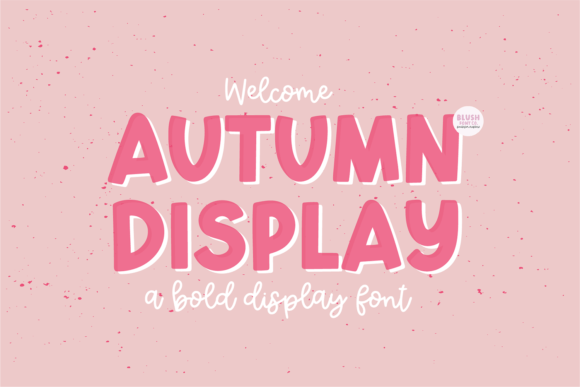
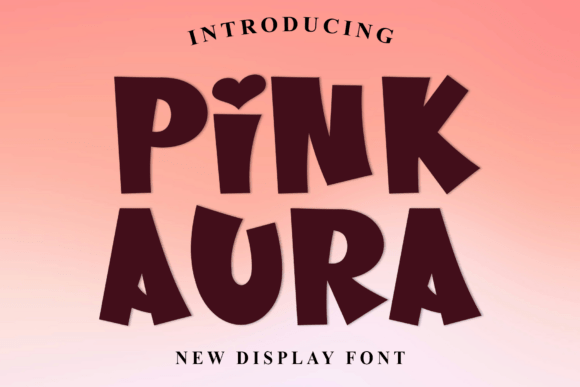
Enter Pink Aura, a casual and creative font that embodies this very spirit. Its defining features are its round, playful strokes and relaxed, hand-drawn aesthetic. This isn't a rigid, geometric typeface; it's one with soft edges and a gentle rhythm that feels both fun and unique. The charm lies in its imperfect lines, which lend an authentic, handmade quality to any text. It’s the kind of typeface that feels like it was sketched with a friendly marker, making it perfect for designs where warmth and approachability are key. Think of it as a visual smile—immediately putting the viewer at ease.
Where a Playful Typeface Truly Shines
Understanding a font's personality is one thing; knowing where to apply it is where the real value lies. A creative font like this one is a versatile asset, but it excels in specific contexts where its charm can be fully appreciated. It’s less suited for long-form body text in a legal document and more at home where headlines, logos, and short bursts of text need to make a friendly impact.
Consider its role in brand identity. For a small bakery, a children's clothing line, a freelance artist, or a wellness coach, this typeface can become the cornerstone of a welcoming brand image. Used in a logo, it immediately communicates approachability and creativity. It sets a tone that says, "We're here to create something enjoyable with you." This kind of visual consistency helps with brand recognition; customers will begin to associate that friendly, playful lettering with your specific business.
Beyond logos, its applications in packaging design are significant. Imagine the labels for artisanal jams, handmade soils, or craft kits. This font can make a product feel more personal and crafted with care, telling a story before the customer even opens the box. It adds a layer of perceived value through its handmade aesthetic, distinguishing a product on a crowded shelf.
Practical Applications for Digital and Print
The utility of a well-crafted display font extends across nearly every medium a creator or business owner might use. In the digital realm, it’s a powerhouse for social media graphics. Instagram quotes, Facebook event announcements, Pinterest pins, and YouTube thumbnails all benefit from text that pops with personality. It helps stop the scroll, conveying a message with emotion and flair that a standard sans-serif might miss.
For web design and blogging, it’s best used strategically. It can serve as a captivating headline font for blog posts, an attractive style for pull quotes, or a distinctive typeface for a website’s call-to-action buttons. The key is to use it where you want to draw the eye and inject a bit of personality, pairing it with a highly readable serif or sans-serif font for longer paragraphs to ensure readability.
In the world of print, the possibilities are equally broad. Think of invitations for birthdays, baby showers, or casual weddings where a formal script would feel out of place. It’s ideal for posters promoting community events, editorial layouts in magazines for a fun sidebar, or merchandise like tote bags and t-shirts. For digital products—such as printable planners, worksheets, or e-book covers—this font can add a cohesive, branded feel that enhances the user experience.
Making It Work: Pairing and Practicality
Choosing the right font is only half the battle. Using it effectively requires some thoughtful consideration of context and combination. Here are some practical tips for integrating this style into your work:
- Test Your Pairings: A playful handwritten font rarely works well on its own for all text. Create contrast by pairing it with a clean, neutral sans-serif font for body copy or a classic serif font for a more elegant mix. The goal is harmony, not competition.
- Consider Readability: Its charm is in its style, which can reduce readability at very small sizes or in long sentences. Use it for headlines, subheadings, logos, and short phrases. For paragraphs of text, opt for a simpler, more legible typeface.
- Explore the Full Family: A quality premium font often comes with more than one style. Check if this typeface includes alternates, ligatures, or different weights. These extras give you more creative control and can help you fine-tune the look for different applications, from a bold headline to a lighter accent.
- Mind the Licensing: For any commercial project—whether it’s client work, your own business branding, or products for sale—always verify the font's licensing. Most commercial fonts require a specific license for commercial use, so ensure you have the correct one to avoid legal issues down the line.
Ultimately, the best way to know if a font fits is to experiment. Drop it into a mockup for your next project. Does it feel right for the audience? Does it support the message you’re trying to convey? A typeface like this is more than just letters; it’s a design tool that, when used thoughtfully, can elevate a project from simply informative to genuinely engaging. It helps bridge the gap between a brand and its audience, adding a layer of visual warmth that makes communication feel more human.