Opera Signature: Marrying Handwritten Charm with Serif Sophistication
Imagine you’ve just designed the perfect business card for your new boutique consulting firm. The layout is clean, the colors are spot-on, but something feels missing. You swap the corporate sans-serif font for a script typeface, and suddenly the card looks too casual, like a wedding invitation. Then you try a standard serif, and it feels too stiff, losing the personal touch you wanted to convey. This balancing act between personality and professionalism is a daily struggle for designers and business owners alike. You need a typeface that bridges the gap—something that carries the weight of authority but whispers with the intimacy of a handwritten note. This is precisely where a hybrid typeface enters the conversation, offering a solution that doesn't force you to choose between elegance and approachability.
The Duality of Design: Understanding the Hybrid Approach
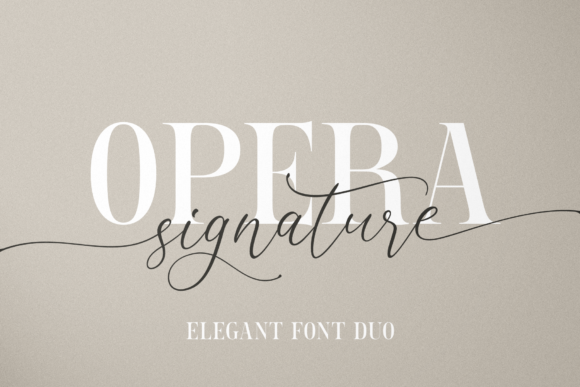
When we talk about modern typography, the lines between categories are blurring. Gone are the days when you had to strictly choose between a rigid serif for corporate documents and a flowing script for artistic endeavors. Opera Signature represents a fascinating evolution in font design by combining two distinct worlds: the structured reliability of a serif and the organic fluidity of a handwritten style. This isn't just about slapping two fonts together; it’s about creating a cohesive visual language. The serif elements provide a foundation, ensuring that the text remains legible and grounded, while the handwritten aspects inject a dose of human warmth. For a small business owner or a content creator, this means you can maintain a professional standard without sacrificing the unique voice of your brand. It’s a typeface that understands the nuance of modern branding, where consumers crave authenticity as much as they value competence.
Practical Applications: From Logos to Social Media
The true test of a premium font isn't how it looks on a specimen sheet, but how it performs in the wild. Opera Signature is designed to be a workhorse across a variety of mediums. In logo design, the hybrid nature of the font allows for logos that are instantly recognizable and memorable. A bakery might use the handwritten component to suggest artisanal quality, while a law firm could lean into the serif structure to project stability, all within the same font family.
Consider the realm of packaging design. On a shelf crowded with competitors, typography is often the first thing a customer notices. The distinct character of this typeface can help a product stand out, suggesting that the brand cares about aesthetics and details. It works beautifully for labels on artisanal goods, cosmetics, or boutique clothing lines. Similarly, in the digital space, social media graphics need to stop the scroll. Whether it’s an Instagram quote, a Facebook ad, or a Pinterest pin, the font adds a layer of sophistication that generic system fonts simply can’t match.
Enhancing Visual Consistency and Brand Recognition
One of the biggest challenges in brand identity is consistency. Using too many different fonts can make a brand look disjointed and unprofessional. Opera Signature solves this by offering a comprehensive set of styles within a single family. Because it includes both the serif and handwritten variations, you can create a visual hierarchy without introducing conflicting design elements. For instance, you can use the serif style for body text on your website or blog to ensure readability, and switch to the handwritten style for headlines to draw attention and add personality. This cohesive approach reinforces brand recognition. When your audience sees the same stylistic touches across your print materials, marketing assets, and digital products, they begin to associate that visual style with your business, building trust over time.
Unlocking Creative Potential with PUA Encoding
For the design enthusiast or the professional typographer, the technical capabilities of a font are just as important as its visual appeal. Opera Signature is PUA (Private Use Areas) encoded, a feature that significantly expands its usability. In practical terms, this means that all the extra glyphs, swashes, and stylistic alternates are easily accessible, even if you don't have advanced design software. This is a game-changer for hobbyists using basic design tools or small business owners managing their own marketing materials.
Imagine you are creating invitations for a corporate gala or a wedding. The ability to easily access a decorative swash for the capital letter "S" or a unique ligature for "Th" can elevate the design from standard to bespoke. It allows for a level of customization that was once reserved for those with deep knowledge of complex software. This accessibility empowers you to experiment with editorial layouts and posters, adding flourishes where they fit best and keeping the text clean where readability is paramount. It turns the font into a creative playground rather than a static tool.
Strategic Typography: Pairing and Readability
While Opera Signature is a versatile standalone asset, its true power often emerges when paired thoughtfully with other typefaces. A common strategy in modern typography is to pair a display font with a simpler, more neutral counterpart. Because Opera Signature has such a strong personality, it pairs exceptionally well with a clean sans serif font. Using the sans-serif for longer blocks of text ensures maximum readability, while Opera Signature handles the headlines, sub-headers, and call-to-action buttons. This contrast creates a dynamic visual rhythm that guides the reader's eye through the content.
However, readability must always be the priority. While the handwritten elements are beautiful, they can be challenging to read in very small sizes or in long paragraphs. It is best used for short bursts of text where its character can shine without hindering comprehension. Always test your font pairings in context—what looks good on a large monitor might look cluttered on a mobile screen, and what appears elegant on a poster might be illegible on a business card. By reviewing the included styles and testing them against your specific project goals, you can ensure that your typography enhances rather than detracts from your message.
Commercial Viability and Licensing
For entrepreneurs and designers, the legal aspect of using design assets is a critical consideration. When investing in a creative font, understanding the licensing is just as important as the design itself. Fonts with clear, commercial-friendly licensing allow you to use them across client projects, merchandise, and digital goods without legal ambiguity. Whether you are designing a logo for a client, creating merchandise to sell, or developing editorial layouts for a publication, having a font that is licensed for commercial use provides peace of mind. It allows you to focus on the creative process, knowing that your tools are compliant and professional. This font serves not just as a design element, but as a reliable asset in your professional toolkit, ready to be deployed in any commercial context where quality and distinction are required.