Classy Fine: The Font That Whispers Luxury
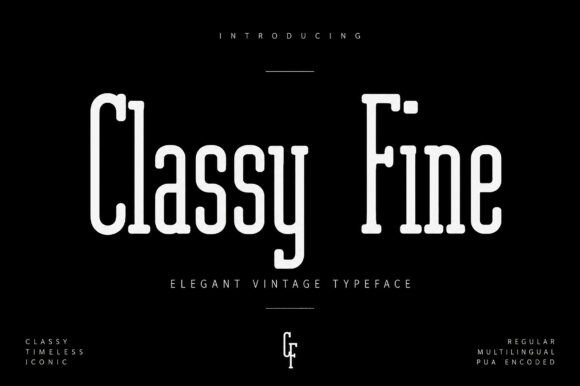
There’s a moment in every design project where the typeface you choose either elevates the entire concept or quietly undermines it. You’ve been there—scrolling through endless options, searching for something that feels both timeless and distinctive. Classy Fine enters that conversation with a quiet confidence, offering a condensed serif display font that draws from classic and vintage aesthetics without feeling dated. Its tall, lean letterforms and intricate serif details create an immediate sense of refinement, making it a compelling choice for projects where elegance isn’t just desired—it’s essential.
The Visual Language of Elegance
What sets Classy Fine apart isn’t just its serifs or its condensed proportions—it’s the balance between structural boldness and delicate detailing. The font carries a vintage inspiration, but its execution feels fresh. Each character stands with a certain poise, the kind you might see in high-end fashion branding or boutique hotel signage. The letterforms are designed to catch the eye without shouting; they invite closer inspection. This makes Classy Fine particularly effective in contexts where first impressions matter deeply, such as logo design for luxury goods, editorial layouts for lifestyle magazines, or packaging for artisanal products.
Think about how a serif font can communicate tradition and trust. Now imagine that feeling amplified through a condensed, display-oriented style. Classy Fine doesn’t just sit on a page—it commands attention while maintaining a graceful allure. Whether you’re designing a wedding invitation suite or crafting the identity for a new fashion label, the font provides a visual shorthand for sophistication. It’s the kind of typeface that suggests quality before a single word is read.
Where Classy Fine Truly Shines
One of the most practical aspects of working with a display font like Classy Fine is its versatility across different design applications. While it’s clearly built for high-impact moments, its adaptability is what makes it a valuable addition to any designer’s toolkit.
For branding and logo design, Classy Fine offers a distinctive voice. A boutique cosmetics brand, for instance, could use it to create a logo that feels both modern and timeless. The condensed nature of the font allows it to work well in horizontal layouts, while its detailed serifs add character when used at larger sizes. Pair it with a clean sans serif font for body text, and you’ve got a visual system that feels cohesive and professional.
In packaging design, especially for premium products, typography plays a crucial role in communicating value. Classy Fine’s elegant structure makes it ideal for product names, taglines, or descriptive copy on boxes, bottles, and labels. Imagine a luxury candle brand using this font for its scent names—the typeface itself becomes part of the unboxing experience, suggesting care and craftsmanship.
For editorial and print projects, such as magazine covers, book titles, or poster designs, Classy Fine provides the kind of headline presence that draws readers in. Its tall letterforms create strong vertical rhythms, which can guide the eye across a layout. When used for chapter titles in a book or feature headlines in a publication, it adds a layer of visual interest that complements photography and illustration without competing for attention.
And let’s not forget digital applications. While display fonts are often associated with print, Classy Fine can be effectively used in website headers, social media graphics, and digital ads—especially when targeting an audience that appreciates aesthetics and quality. For a fashion blog or an online boutique, using this font for key headlines or promotional banners can help establish a consistent brand voice across platforms.
Making It Work for Your Project
Choosing a font is only half the battle; knowing how to use it effectively is where the real skill lies. With Classy Fine, a few practical considerations can help you get the most out of its design.
First, consider your audience and context. This font leans toward elegance and luxury, so it’s a natural fit for projects targeting discerning consumers—think high-end retail, wedding services, beauty brands, or hospitality. However, with thoughtful pairing, it can also work in more contemporary settings. For example, combining Classy Fine with a geometric sans serif can create a dynamic contrast that feels both classic and modern.
Second, pay attention to readability. As a display font, Classy Fine is designed for headlines and short bursts of text, not lengthy paragraphs. Use it strategically for titles, logos, or pull quotes, and choose a complementary font for body copy. Testing different sizes and spacing is crucial—what looks stunning at 72 points on a poster might lose clarity at 14 points on a mobile screen.
Third, explore the font’s full potential. Many premium fonts come with multiple styles—weights, alternates, or stylistic sets—that allow for greater flexibility. Before finalizing your design, review the character set and see if there are ligatures, swashes, or other features that could enhance your layout. Sometimes a single alternate letterform can make a headline feel more custom and intentional.
Finally, think about licensing and usage. If you’re using Classy Fine for commercial projects, ensure you have the appropriate license. Most font licenses cover specific use cases, such as web embedding, print, or merchandise. Understanding these terms upfront prevents headaches later and ensures you’re using the font legally and ethically.
Building a Cohesive Visual Identity
A great font doesn’t exist in isolation—it’s part of a larger design ecosystem. Classy Fine can serve as the cornerstone of a visual identity, but its effectiveness depends on how well it integrates with other elements. Color palettes, imagery, and layout all play roles in reinforcing the message your typography conveys.
For instance, if you’re designing a brand identity for a luxury skincare line, you might pair Classy Fine with a muted color scheme, soft textures, and minimalist photography. The font’s inherent elegance would be amplified by these supporting elements, creating a unified experience that feels intentional and polished. Conversely, using it in a context that clashes with its personality—like a rugged outdoor brand—might create visual dissonance.
Font pairing is another area where thoughtful choices matter. While Classy Fine works beautifully with sans serif fonts for contrast, it can also harmonize with other serif typefaces if they share similar proportions or historical influences. The key is to create hierarchy and clarity without visual clutter. A good rule of thumb is to limit your font palette to two or three typefaces—one for headlines, one for body text, and perhaps one for accents or special callouts.
Final Thoughts on Choosing Your Typography
Typography is one of the most powerful tools in a designer’s arsenal. It shapes how people perceive a brand, influences readability, and contributes to the overall aesthetic of a project. Classy Fine offers a specific voice—one that speaks of tradition, quality, and refined taste. It’s not a font for every situation, but in the right context, it can transform a design from ordinary to memorable.
As you explore fonts for your next project, consider not just how they look, but how they feel. What story do they tell? What emotions do they evoke? And most importantly, do they align with the message you want to send? Classy Fine, with its vintage-inspired elegance and modern versatility, is worth a closer look if your goal is to create something that feels both timeless and intentionally crafted.